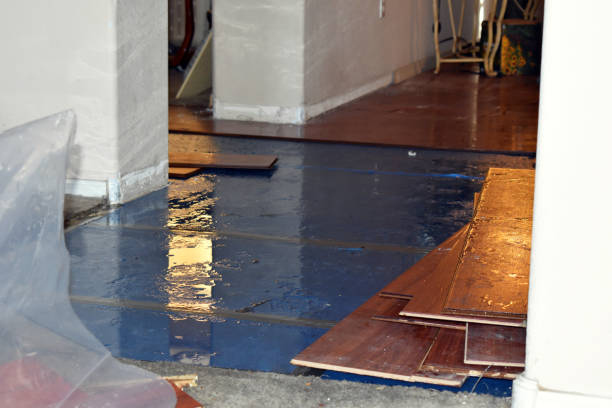
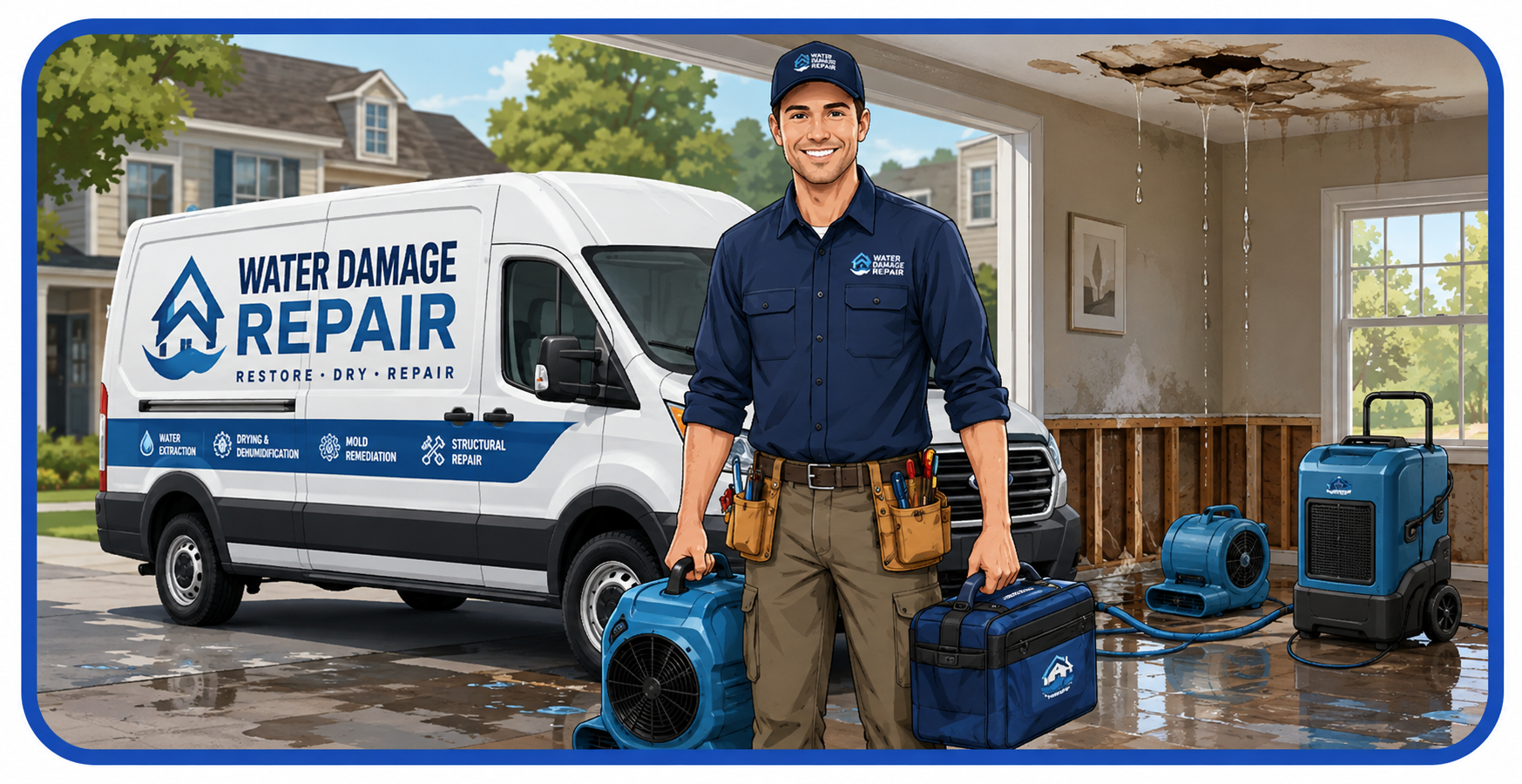
Wharton sits on a mix of older plumbing and newer builds, and our crew has pulled water out of both, which is why the truck that shows up already has the right extraction head for your situation.
Call +1-844-578-1604
Avg. arrival under 60 minutes in Wharton
Written estimate, no hidden line items
IICRC-certified technicians on every truck

Aqua Guard Water Damage didn't parachute into Wharton with a rented truck and a stock script. Our technicians have worked this market long enough to know which neighborhoods sit low, which ones have older cast-iron plumbing, and which zip codes call in during every heavy storm.
Local pricing means local pricing — our Wharton estimates reflect actual regional labor and material costs, not a national average that leaves you either overpaying or underinsured.
We also keep documentation formatted the way insurance adjusters actually want to see it, since most of our jobs end up crossing an adjuster's desk at some point.
Water damage rarely starts as a dramatic flood — it usually starts small, and these are the signs worth acting on before the damage spreads further.
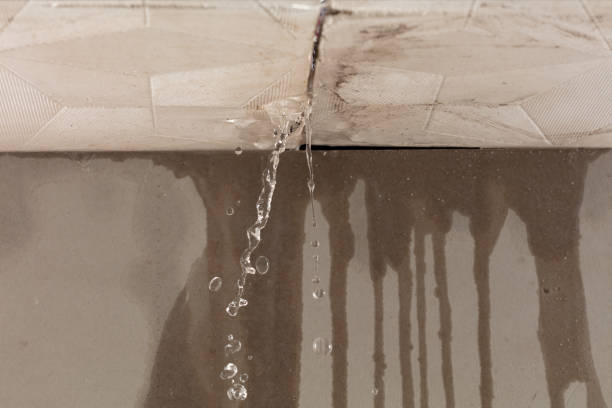
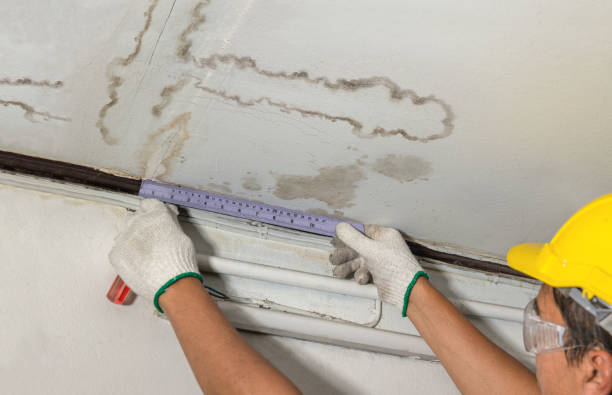
Repainting over a recurring ceiling stain treats the symptom, not the leak still feeding it from above or behind the surface. The stain returning is the actual diagnosis.
If a dehumidifier and open windows don't clear the smell within a day or two, there's an active moisture source that ventilation alone won't solve.
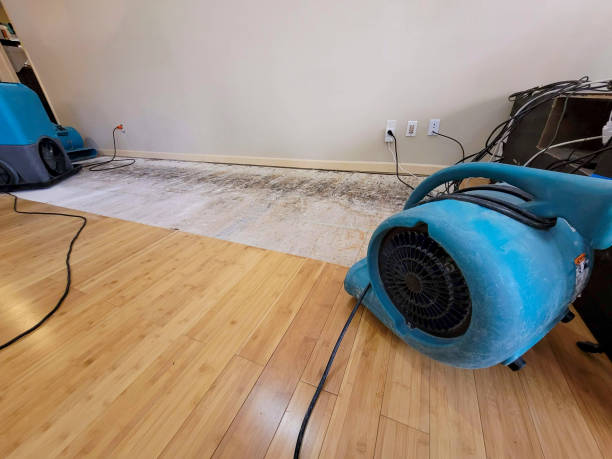
Flooring that shifts slightly when you walk on it, even subtly, is worth a moisture reading before it gets worse.
A sudden increase in usage with no change in household habits is often the earliest sign of a slab leak, well before any visible water shows up.
Bubbling near a window frame frequently traces back to a failed seal letting water in gradually.
A small patch of mold in a corner or along a baseboard means conditions behind that surface have supported growth for a while — the source needs to be found, not just wiped away.
Catching two or more of these signs at once usually means it's past time for a proper inspection.
We don't split Ceiling Water Damage Repair into separate vendors for extraction, drying, and repair — one crew stays accountable for the whole job, from the first wet-vac pass to the final coat of paint.
Every service below gets the same documentation standard, whether it's a single wet closet or a full commercial loss.
The first hour after a water loss decides how much of the structure is salvageable, which is why extraction is always the first truck-mount job, not an afterthought behind paperwork.
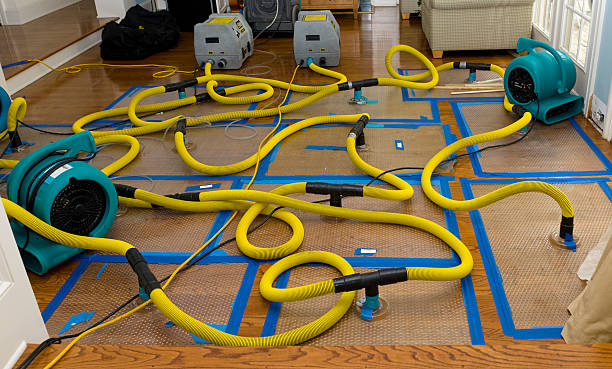
Daily drying logs track humidity and surface moisture at every checkpoint, giving you documented proof of progress instead of a verbal 'it's getting there.'
Materials that had direct contact with contaminated water almost always come out rather than get dried in place — that's a safety call, not a cost-cutting one.
Antimicrobial treatment on studs, subfloor, and other porous surfaces happens during the drying phase, especially anywhere that stayed wet more than 48 hours.
Reconstruction starts from the actual drying documentation, not a fresh guess, which keeps the repair scope accurate.
Specialized content cleaning often saves items that looked like a total loss at first glance, which keeps replacement costs off your claim.


This is the same sequence every job follows, whether it's a single flooded room or a full commercial loss.
Dispatch gathers just enough detail to load the right equipment before the truck leaves the lot.
Photo and moisture documentation happens before any equipment gets touched, which protects your insurance claim later.
Standing water comes out first with commercial extraction equipment, then air movers and dehumidifiers go to work based on the readings just taken.
Final verification is where corners often get cut industry-wide; we treat it as mandatory.
None of these four things matter in isolation — it's the combination of licensing, speed, honest pricing, and a real guarantee that actually changes the outcome of a water emergency.
We'll show you the credentials before we show you the invoice, if that's what puts you at ease.
Regionally staged trucks mean a crew often arrives before a national chain's call center finishes the intake questionnaire.
The number we quote is the number you pay, regardless of how long the drying cycle runs.
Every job closes with a documented re-inspection, not a handshake and an invoice.
Every job closes with documented moisture verification, because a promise without data behind it isn't much of a promise.
The standard doesn't change based on job size — a single bathroom flood gets the same sign-off criteria as a full commercial loss.
Call +1-844-578-1604Whether your address sits in 07885 7885 or a neighboring zip, the same crew and the same response standard applies.
Coverage extends past the city core into the surrounding Wharton suburbs, so an outlying address isn't treated as a second-tier call.

"I've dealt with contractors before who talk a big game and disappear. The crew here in Wharton actually showed up on time and stayed in touch through the whole drying process."
Renee A., Wharton"They found mold starting behind our baseboards before it spread and handled containment properly instead of painting over it like a previous company tried."
Owen D., Wharton"They didn't cut corners on the sanitization step even though it clearly slowed them down — with two kids in the house, that mattered to us."
Fatima J., Wharton"Every cost question got a straight answer, even the awkward ones, which is more than I can say for the last two contractors I dealt with."
Lucas P., Wharton"Getting a daily drying log meant we always knew where the job stood instead of a vague verbal update."
Grace T., Wharton"They sectioned off the wet area instead of shutting down the whole office during drying, which kept us operating almost normally."
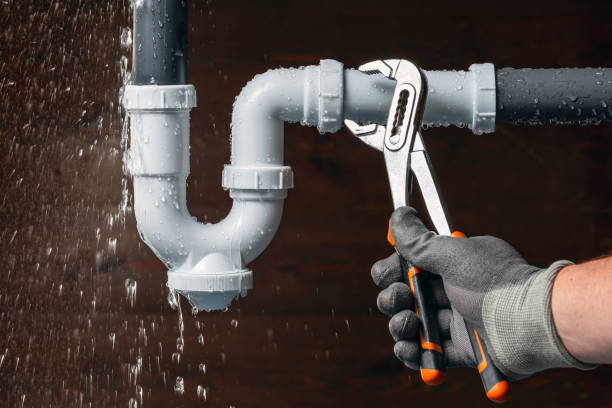
Nathaniel W., Wharton"A cracked supply line under our kitchen sink went unnoticed for days, and by the time we called, the subfloor was saturated. They only replaced what actually tested wet, not the whole floor."
Bianca H., Wharton"They explained the crawl space drainage issue in plain terms instead of technical jargon, and fixed it on the spot rather than scheduling a separate trip."
Derek S., Wharton"They found the actual source of the leak instead of just drying the surface damage, which saved us from the same problem happening again in a month."
Melissa C., Wharton"Being out of town when it happened was stressful enough — having a crew that could work directly with our property manager made it manageable."
Victor N., Wharton